

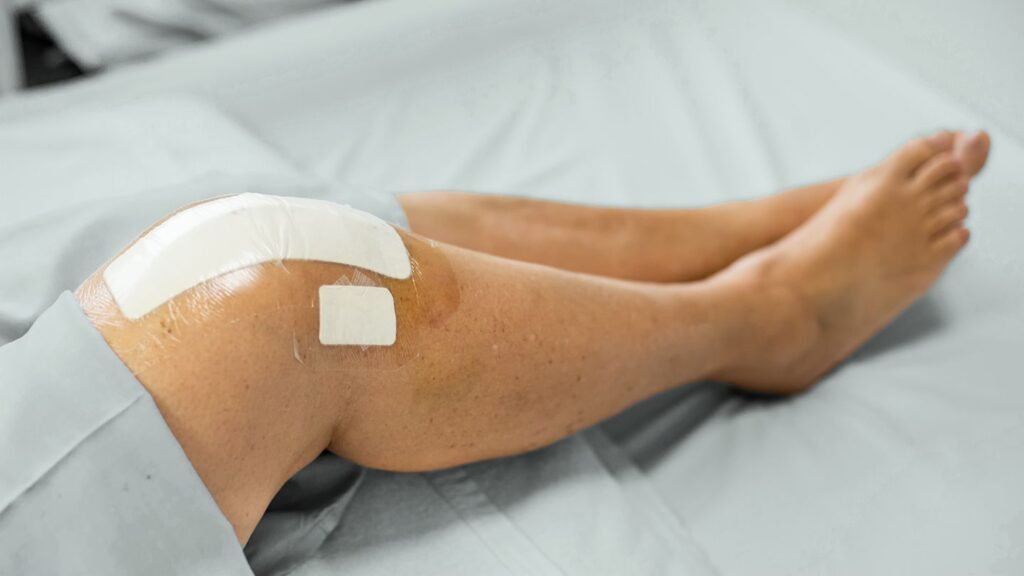
Introduction
The idea of walking within days of knee replacement surprises most patients. For decades, recovery meant bed rest followed by weeks of slow rehabilitation. That picture is outdated. Today, most patients take their first steps on the second day after surgery, as part of the treatment itself. Understanding why this happens removes one of the biggest fears patients carry into surgery.
What Has Changed in Knee Replacement Recovery
Early mobilization is the result of several advances together. Surgical techniques are more precise and cause less tissue disruption. Anaesthesia allows patients to be alert much sooner. Pain management uses multimodal approaches that control discomfort without heavy sedation. Research consistently shows early movement leads to better outcomes: lower clot risk, faster muscle recovery, shorter hospital stays, and better long-term function.
Why Walking on Day Two Is Now Standard
Prolonged bed rest after joint replacement is harmful, not protective. Lying still increases the risk of deep vein thrombosis, where clots form in the leg veins and can travel to the lungs. Early walking activates the calf muscles, which pump blood back toward the heart and reduce clot risk. Movement also prevents scar tissue from forming around the new joint and keeps surrounding muscles engaged. Walking by day two is not pushed early for speed; it is prescribed because it produces better results.
What Happens on the Day of Surgery
Surgery takes one to two hours. Once anaesthesia clears, the focus is on observation and pain control. A physiotherapist visits to help the patient sit upright and do gentle ankle and breathing exercises. Some patients may stand briefly with support. Pain management begins immediately so that day two is achievable.
Day Two: Your First Steps
On the second day after surgery, most patients take their first steps with the support of a physiotherapist and a walking frame. Dr Mandar Puranik’s protocol involves getting patients up and walking on day two as a standard part of recovery. The distance is short and the support is full, but the joint is moving. This is a significant milestone because it signals to the muscles, nerves, and circulatory system that function is resuming. For most patients, this first walk is less painful and more manageable than they anticipated.
The First Week After Surgery
Most patients stay two to three days in hospital. Physiotherapy happens twice daily. By discharge, most patients can walk short distances with a walking frame, get in and out of bed independently, and manage stairs with support. Swelling and pain are expected and managed with medication. Home physiotherapy or outpatient sessions after discharge are as important as anything done in hospital.
When Can I Walk Without Support?
Walking without a frame or crutches typically happens between three and six weeks after surgery. By six weeks, many patients walk independently indoors. By three months, walking outdoors, using stairs normally, and managing daily activities without significant limitation is achievable for most. Full recovery, where the knee feels natural and confidence is complete, takes six months to a year. The trajectory is consistently upward from day two when rehabilitation is followed properly.
What Slows Down Recovery
Skipping physiotherapy is the most common cause of delayed recovery. The muscles around the new joint need active rehabilitation to regain strength. Avoiding movement due to pain is the second most common delay, which is why early pain management is so important. Diabetes, obesity, and heart disease can extend timelines. Complications such as infection or excessive swelling require medical management. For patients without these factors, recovery follows a predictable and positive course.
Consult Dr Mandar Puranik
If you have been recommended knee replacement and are unsure about the surgery or what recovery involves, a detailed consultation will answer your specific questions. Dr Mandar Puranik is an orthopedic surgeon at Ortho Clinic, Kharadi, Pune, with experience in joint replacement surgery and post-surgical rehabilitation planning.
Ortho Clinic, Clover Galleria, UG1, Fountain Road, near Forest County, EON Free Zone, Kharadi, Pune, Maharashtra 411014
Call +91 9889885594 | Website: orthoclinicpune.com
Conclusion
Early walking after knee replacement is not something that happens despite the surgery. It is part of the recovery plan. Most patients walk by day two, not to push recovery faster, but because movement is what produces the best outcomes. Modern surgical technique, anaesthesia, and pain management have made this possible. The surgery is one part of the process. The rehabilitation that begins on day two is the other.
FREQUENTLY ASKED QUESTIONS (FAQs)
Q1: When do patients walk after knee replacement surgery?
At Dr Mandar Puranik’s clinic, most patients take their first steps on the second day after surgery with the support of a physiotherapist and walking frame. Day one focuses on rest, pain management, and preparing the body for movement. Early walking on day two is standard protocol.
Q2: How long do I stay in hospital after knee replacement surgery?
Most patients stay two to three days. During this time, physiotherapy begins on day two, and discharge happens once the patient can walk short distances with support, manage getting in and out of bed, and handle basic stairs safely.
Q3: Will I need a walking frame or crutches after surgery?
Yes, initially. A walking frame is used in hospital and in the first one to two weeks at home. Most patients transition to a single crutch around weeks two to four, and walk without support by weeks four to six, depending on individual progress.
Q4: When can I walk without any support after knee replacement? Most patients walk without support between three and six weeks after surgery. Walking outdoors, managing stairs normally, and resuming daily activities with confidence is typically achievable by three months.
Q5: Is knee replacement surgery painful?
There is pain in the first days to weeks, but modern multimodal pain management controls this effectively without heavy sedation. Most patients report that the pain is manageable and less severe than they expected. Pain reduces progressively as healing and rehabilitation progress.
Q6: How long does full recovery take after knee replacement?
Most patients reach functional independence by three months. Full recovery, where the knee feels natural and confidence is complete, typically takes six months to a year. The timeline depends on age, fitness, adherence to physiotherapy, and any medical conditions.
Q7: What is the most important thing I can do to recover faster?
Follow your physiotherapy programme consistently. The exercises rebuild strength and stability in the muscles around the new joint. Patients who skip sessions or reduce exercise frequency consistently take longer to recover and achieve lower final function than those who follow the programme fully.
Q8: Can I climb stairs after knee replacement surgery?
Yes. Stair climbing is usually introduced under physiotherapy supervision within the first two days in hospital. It begins slowly and with support. By six weeks, most patients manage stairs independently. By three months, stair use is typically normal.
Q9: What are the risks of knee replacement surgery?
The main risks include infection, blood clots, stiffness, and implant-related issues, all of which are managed as part of the care protocol. Early walking specifically reduces clot risk. Discussing your individual risk profile with Dr Mandar Puranik before surgery gives you a clear picture of what to expect.
Q10: Where can I consult a joint replacement surgeon in Kharadi, Pune?
Dr Mandar Puranik at Ortho Clinic, Kharadi, Pune offers consultations for knee replacement surgery including pre-surgical planning and post-surgical rehabilitation. Call +91 9889885594 or visit orthoclinicpune.com to book an appointment.