
Twenty years ago, surgery for a torn knee ligament, a damaged shoulder rotator cuff, or a meniscus injury involved a large incision, significant tissue disruption, hospitalisation measured in days, and recovery measured in months. Today, the same procedures are performed through two or three puncture wounds the size of a pen tip, with most patients going home the same day and returning to light activity within days. This transformation is arthroscopic surgery — and understanding what it is and what it can achieve changes how patients approach joint problems entirely. As a leading arthroscopy doctor in Kharadi, Dr. Mandar Puranik at orthoclinicpune.com performs arthroscopic procedures that were simply not possible a generation ago.
The reluctance many patients feel about joint surgery is rooted in a mental image of open surgery that is no longer the clinical reality for most conditions. When a patient hears they need surgery for their knee or shoulder, they picture a large incision, a long hospital stay, and months of painful rehabilitation. For arthroscopic procedures, that picture is almost entirely inaccurate. Find Dr. Mandar Puranik on Google to learn more about arthroscopic treatment options.
Ready to consult? Book An Appointment with Dr. Mandar Puranik today.
What Is Arthroscopy and How Does It Work?
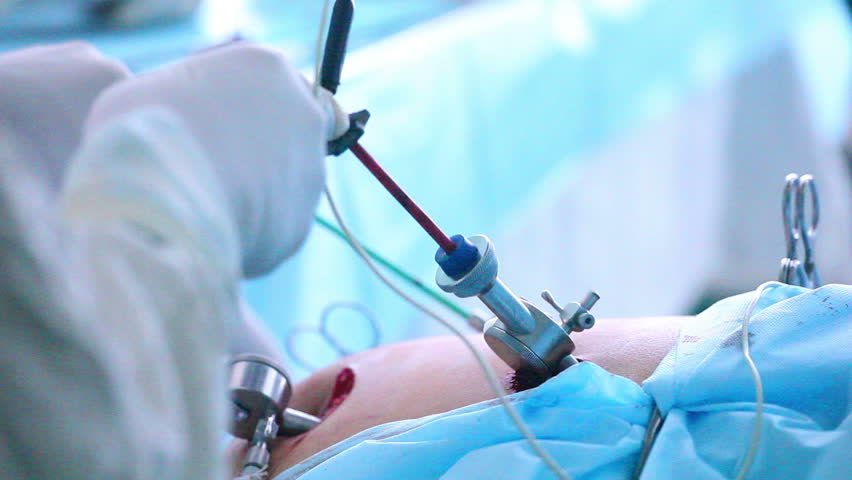
Arthroscopy is a minimally invasive surgical technique in which a thin, rigid telescope — the arthroscope — is inserted into a joint through a small puncture incision. The arthroscope carries a camera and light source, projecting a magnified, high-definition view of the interior of the joint onto a monitor. The surgeon operates by inserting small instruments through additional puncture incisions, working with precision under camera guidance.
The magnification provided by modern arthroscopic cameras actually gives the surgeon a significantly better view of the joint interior than open surgery would — fine structures like the edge of a meniscus tear or the fibres of a partially torn ligament are visible in detail that is impossible to achieve through an open incision. This improved visualisation combined with the minimal tissue disruption is what makes arthroscopic surgery superior to open surgery for the vast majority of joint conditions.
Conditions Treated With Arthroscopy
Knee Arthroscopy
The knee is the joint most commonly treated arthroscopically. Procedures performed through knee arthroscopy include:
• Meniscus repair or partial meniscectomy — trimming or repairing torn meniscal tissue depending on the tear pattern and location
• ACL reconstruction — rebuilding the torn anterior cruciate ligament using a tendon graft, restoring knee stability for active patients
• PCL reconstruction — less common than ACL but equally important for posterior knee stability
• Cartilage procedures — microfracture, cartilage transplantation, or osteochondral grafting for focal cartilage defects
• Removal of loose bodies — fragments of bone or cartilage floating within the joint that cause pain and locking
• Synovectomy — removal of inflamed joint lining in conditions like rheumatoid arthritis or pigmented villonodular synovitis
Shoulder Arthroscopy
Shoulder arthroscopy has transformed the management of several previously highly morbid conditions. Shoulder surgeon Dr. Mandar Puranik uses arthroscopic techniques for:
• Rotator cuff repair — reattaching torn tendons of the rotator cuff to the bone using suture anchors, through incisions so small they require only adhesive dressings
• Shoulder stabilisation for recurrent dislocations — repairing the labrum and capsule that are torn when the shoulder dislocates repeatedly
• Acromioplasty — removing bone spurs beneath the acromion that are impinging on the rotator cuff tendons
• SLAP repair — reattaching the superior labrum that is torn in overhead athletes and heavy manual workers
• Frozen shoulder release — dividing the contracted capsule that restricts shoulder movement in adhesive capsulitis
For most knee and shoulder conditions, the question is no longer whether to have open or arthroscopic surgery. It is whether surgery is necessary at all, and if so, which specific arthroscopic procedure best addresses the anatomy of your problem.
Ready to consult? Book An Appointment with Dr. Mandar Puranik today.
The Direct Comparison — Arthroscopy vs Open Surgery
Incision Size and Tissue Disruption
Open surgery requires an incision large enough to visualise the operative field directly — typically 10 to 20 cm for knee or shoulder procedures. The muscles and soft tissues overlying the joint must be cut, retracted, and repaired. Arthroscopy uses two to four puncture incisions of less than 1 cm. The muscles and overlying soft tissues are not cut — the instruments pass between tissue planes. This difference in tissue disruption is the primary reason arthroscopic recovery is so much faster.
Anaesthesia and Hospital Stay
Most arthroscopic procedures are performed under general or regional anaesthesia and are day-case procedures — the patient arrives in the morning and goes home in the afternoon. Open joint surgery typically requires general anaesthesia and at least one to two nights of hospitalisation, sometimes more.
Post-Operative Pain
Because the tissue disruption with arthroscopy is minimal, post-operative pain is significantly less than with open surgery. Most patients manage comfortably with oral pain relief in the first few days. Open surgery produces more substantial post-operative pain due to the larger wound and the need to repair the divided soft tissues.
Rehabilitation and Return to Activity
The rehabilitation timeline following arthroscopy is dramatically compressed compared to open surgery for the same condition. A meniscus repair performed arthroscopically allows protected weight-bearing from day one. An ACL reconstruction through arthroscopy follows a structured six-month rehabilitation but without the additional tissue healing burden of an open wound. Return to office work is typically within one to two weeks for most arthroscopic knee procedures. Return to sport follows the specific rehabilitation milestones for each procedure.
Infection and Complication Risk
Smaller incisions mean less exposure of deep tissues to the environment and lower infection risk. The overall complication rate for arthroscopic procedures is lower than for comparable open procedures, though no surgery is entirely without risk.
When Open Surgery Is Still the Right Answer
Arthroscopy is not universally superior and is not appropriate for every joint condition. Situations where open surgery remains the standard of care include:
• Total knee or hip replacement — joint replacement requires bone cuts and implant fixation that cannot be performed arthroscopically
• Complex fractures around the joint — require open reduction and internal fixation
• Certain tumours or infections involving the bone and joint that require wider access
• Revision surgery after failed previous procedures where scar tissue and altered anatomy make arthroscopic access technically unsafe
For patients who do require joint replacement surgery, Dr. Mandar Puranik’s joint replacement clinic offers the full range of knee and hip replacement procedures with modern implants and accelerated recovery protocols.
Frequently Asked Questions
Q: How long does arthroscopic knee surgery take?
Procedure time varies by complexity. A diagnostic arthroscopy with minor debridement takes 20 to 30 minutes. A meniscus repair takes 45 to 60 minutes. An ACL reconstruction typically takes 60 to 90 minutes. The patient is usually in the recovery area within two hours of entering the operating theatre.
Q: Will I need physiotherapy after arthroscopy?
Yes. Arthroscopy reduces the surgical trauma but does not eliminate the need for structured rehabilitation. The specific physiotherapy programme depends on the procedure performed. For ACL reconstruction, rehabilitation is the primary determinant of the final outcome — the surgery creates the potential for recovery, and physiotherapy realises it.
Q: Can arthroscopy be done under local anaesthesia?
For certain minor procedures, regional anaesthesia (a nerve block that numbs only the operative limb) is sufficient and preferred because it avoids the risks associated with general anaesthesia. Dr. Mandar Puranik discusses the most appropriate anaesthetic approach for each patient with the anaesthesia team before surgery.
Joint Pain That Is Limiting Your Life Does Not Always Need Major Surgery.
Dr. Mandar Puranik specialises in arthroscopic surgery for knee and shoulder conditions with day-case procedures and rapid recovery.
Visit orthoclinicpune.com or find us on Google to book your consultation.
Ready to consult? Book An Appointment with Dr. Mandar Puranik today.
Google: Dr. Mandar Puranik on Google | Arthroscopy: Arthroscopy Surgery Kharadi | About: About Dr. Mandar Puranik